-95x98.png)
Introduction
Inflammation is a fundamental biological process that protects the body from injury and infection. When tissues are damaged or invaded by harmful microorganisms, the immune system responds by activating a coordinated defense mechanism known as inflammation. Although the term is often associated with disease or discomfort, inflammation is actually an essential part of the body’s healing process.
However, inflammation can also become harmful when it persists for long periods. Chronic inflammation has been linked to many modern diseases, including cardiovascular disease, metabolic disorders, and neurodegenerative conditions. Understanding how inflammation works helps us appreciate its dual role in both protecting and potentially harming the body.
Concept
Inflammation is the body’s protective response to harmful stimuli such as pathogens, damaged cells, toxins, or physical injury. The goal of this response is to eliminate the cause of injury, remove damaged tissue, and initiate repair.
Classically, inflammation is characterized by several visible signs: redness, heat, swelling, pain, and sometimes loss of function. These symptoms arise because immune cells, signaling molecules, and blood vessels work together to defend the affected area.
There are two major types of inflammation:
Acute inflammation
This is a short-term response that occurs rapidly after injury or infection. It helps contain damage and promotes healing.
Chronic inflammation
This occurs when the inflammatory response persists for weeks, months, or even years. Instead of protecting tissues, chronic inflammation can gradually damage cells and organs.
Inflammation therefore represents a delicate balance: it is essential for defense, yet potentially harmful when poorly regulated.
-1024x572.jpeg)
Figure 1. Conceptual overview of acute and chronic inflammation. Acute inflammation is a rapid, short-term protective response that promotes pathogen clearance and tissue repair, whereas chronic inflammation is a persistent inflammatory state associated with ongoing immune activation, tissue damage, and increased disease risk.
Mechanism
At the cellular level, inflammation begins when immune cells detect signals indicating tissue damage or infection. These signals may come from invading microorganisms or from injured cells releasing molecular warning signals.
Specialized immune cells such as macrophages and mast cells are often among the first to respond. These cells release chemical messengers called cytokines and chemokines, which coordinate the inflammatory response.
Several key events then occur:
- Blood vessel dilation
Local blood vessels expand, allowing increased blood flow to the affected tissue. This produces the redness and warmth commonly associated with inflammation. - Increased vascular permeability
Blood vessels become more permeable, allowing immune cells and plasma proteins to move from the bloodstream into the injured tissue. - Recruitment of immune cells
White blood cells, particularly neutrophils, migrate to the site of injury where they help destroy pathogens and remove cellular debris. - Activation of repair processes
Once harmful agents are cleared, additional signaling pathways stimulate tissue repair and regeneration.
Many molecular pathways regulate these processes. One important pathway involves the activation of transcription factors such as NF-κB, which control the expression of genes involved in immune responses.
Through these coordinated mechanisms, inflammation functions as a highly organized defense system rather than a random reaction.
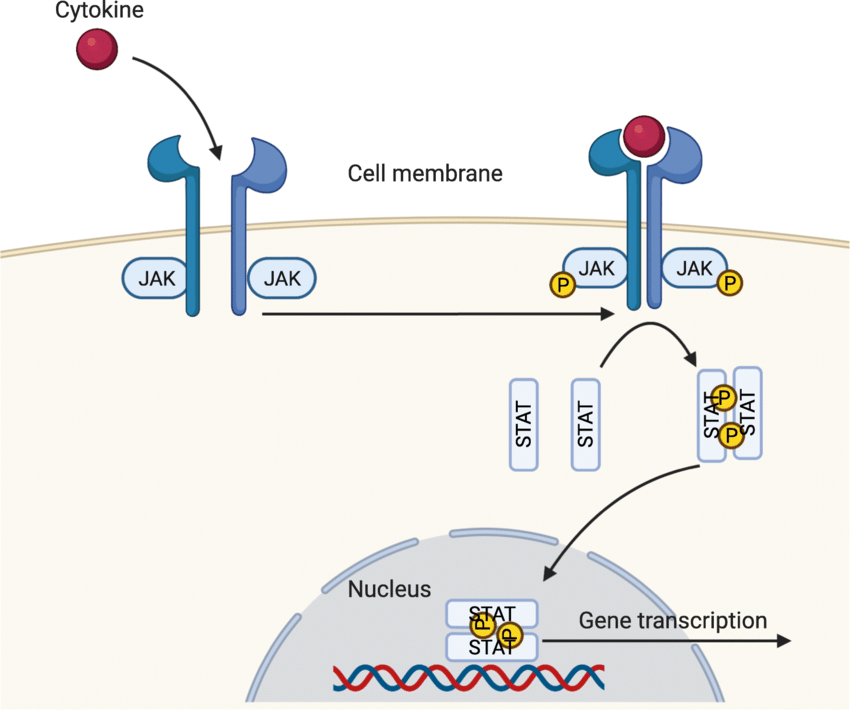
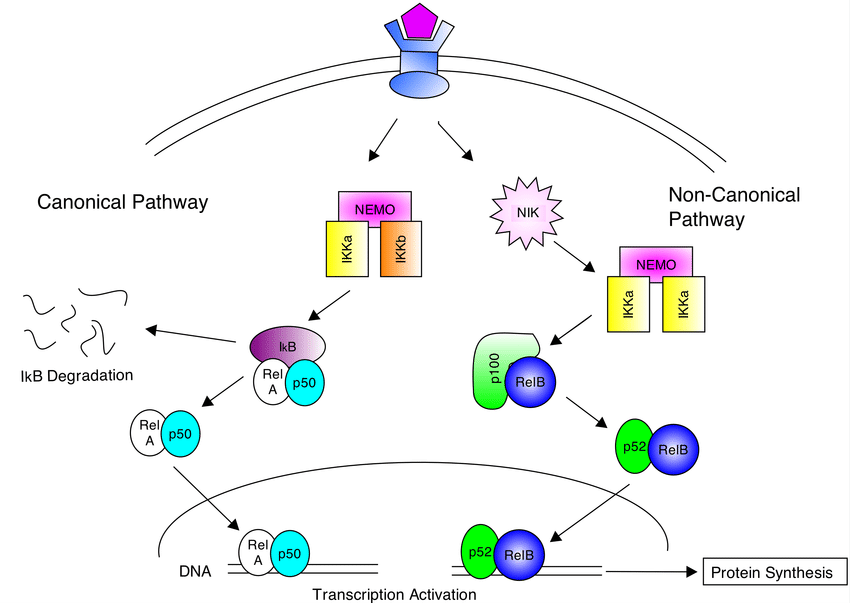
Figure 2. Representative inflammatory signaling pathways. (A) Cytokine-induced activation of the JAK–STAT pathway results in STAT phosphorylation, dimerization, nuclear translocation, and transcriptional regulation. (B) Canonical and non-canonical NF-κB signaling pathways regulate inflammatory gene expression through IκB degradation or p100 processing, respectively, leading to nuclear translocation of NF-κB dimers and activation of target genes.
Systems Perspective
Although inflammation often begins at a local site of injury, it involves coordinated interactions among multiple biological systems.
The immune system provides specialized cells that detect danger signals and eliminate pathogens. The circulatory system transports immune cells, signaling molecules, and nutrients to the affected tissues. Meanwhile, the nervous system can influence inflammatory responses through neural and hormonal signals.
In some cases, inflammation can also become systemic. For example, during infection the body may develop fever, fatigue, and widespread immune activation. These systemic responses help the body coordinate defense across many organs simultaneously.
The liver also plays an important role by producing proteins known as acute-phase reactants, which enhance immune defense and help regulate inflammation throughout the body.
Thus, inflammation is not simply a local reaction but a complex, multi-system process involving communication between organs and regulatory networks.
-1024x572.jpeg)
Figure 3. System-level coordination during inflammation. Inflammation may begin locally at a site of tissue injury or infection, but its progression involves coordinated interactions among multiple systems. Cytokines released at the site of injury activate immune cells and are transported through the circulation, while neural regulation and the hepatic acute-phase response further shape the inflammatory process. When these signals spread systemically, they may produce whole-body effects such as fever and fatigue.
Health Connections
While acute inflammation is essential for healing, persistent or excessive inflammation can contribute to many diseases.
Long-term low-grade inflammation has been associated with conditions such as:
- cardiovascular disease
- type 2 diabetes
- obesity
- autoimmune disorders
- neurodegenerative diseases
In these conditions, inflammatory signaling pathways remain active even when no immediate threat is present. Over time, this persistent immune activation can damage tissues and disrupt normal physiological functions.
Lifestyle factors can influence inflammatory processes. Diet, physical activity, sleep quality, and stress levels all affect how the body regulates immune responses. For example, regular exercise and balanced nutrition are known to help maintain healthy inflammatory regulation.
Understanding inflammation therefore provides insight into both disease mechanisms and strategies for maintaining long-term health.
Integrative Perspective
Across many traditional medical systems, the concept of health has often been linked to internal balance. Although these systems use different theoretical frameworks, they frequently emphasize the importance of maintaining harmony within the body.
From a modern biomedical perspective, inflammation can be viewed as part of the body’s dynamic balance between defense and regulation. When immune responses are properly controlled, they protect tissues and promote healing. When regulatory mechanisms fail, persistent inflammation may contribute to disease.
Recognizing inflammation as both a protective and potentially harmful process highlights the importance of maintaining physiological balance across multiple biological systems.
Key Takeaways
• Inflammation is a protective immune response to injury, infection, or cellular damage.
• Acute inflammation helps eliminate harmful agents and initiate tissue repair.
• Immune cells communicate through signaling molecules such as cytokines.
• Chronic inflammation can contribute to many long-term diseases.
• Maintaining balanced immune regulation is important for overall health.