-95x98.png)
Simple first aid knowledge can help students respond calmly and safely in emergencies.
Emergencies can happen suddenly—during sports practice, in a classroom, at home, or while spending time with friends. In those moments, the first few minutes are often the most important.
Basic first aid knowledge helps people respond calmly and safely until professional medical help arrives. Even simple actions—such as recognizing danger signs or helping someone stay safe—can reduce harm and potentially save a life.
Students do not need to be medical professionals to make a difference. Learning a few essential first aid principles can prepare anyone to respond more effectively during unexpected situations.
⚠️ Important Safety Notice
This guide is for educational purposes only and does not replace professional medical training.
In life-threatening emergencies, call 911 immediately and seek assistance from trained professionals.
Why First Aid Knowledge Is Important
In many situations, the people closest to an injured person are not doctors or nurses—they are friends, classmates, teachers, or family members.
Students are often present when accidents occur, especially during activities such as:
- sports events
- science laboratory work
- outdoor activities
- daily school life
Knowing basic first aid can help:
- protect someone from further harm
- reduce the severity of an injury
- support an injured person until professional help arrives
Just as importantly, basic knowledge helps people stay calm during stressful situations. Panic can make emergencies more dangerous, while simple and thoughtful actions can improve outcomes.
First aid skills are therefore not only medical knowledge—they are also part of responsible citizenship and community care.
5 First Aid Skills Every Student Should Know
Below are five essential first aid skills that every student should understand.
These skills focus on recognizing emergencies and taking safe initial steps while waiting for professional help.
1. Control Severe Bleeding
Severe bleeding can become life-threatening if not controlled quickly.
When a large amount of blood is lost, the body may not be able to maintain normal circulation.
Basic response steps include:
- applying firm pressure to the wound using a clean cloth, bandage, or clothing
- keeping steady pressure on the injury
- if possible, gently elevating the injured area above heart level
These actions may help slow bleeding until medical assistance arrives.
If bleeding continues heavily or cannot be controlled, emergency medical help is required immediately.
2. Recognize Signs of Concussion
Concussions are a type of brain injury that can occur after a blow to the head. They are especially common during sports activities and accidents.
Symptoms may not always appear immediately.
Warning signs may include:
- confusion or difficulty concentrating
- headache
- dizziness or balance problems
- nausea or vomiting
- memory difficulties
If a concussion is suspected, the person should stop all physical activity immediately and seek medical evaluation.
Continuing to play sports after a concussion can increase the risk of more serious injury.
3. Respond to Choking
Choking occurs when an object blocks the airway and prevents normal breathing.
Because oxygen cannot reach the lungs, choking can quickly become a life-threatening situation.
Common warning signs include:
- inability to speak
- clutching the throat
- difficulty breathing
- bluish lips or skin
If someone cannot breathe or speak, call 911 immediately and seek assistance from someone trained in emergency response.
Formal training courses, such as those offered by the American Red Cross or the American Heart Association, teach proper choking response techniques.
4. Help Someone Who Faints
Fainting (also called syncope) occurs when a person briefly loses consciousness because the brain does not receive enough blood flow.
Common causes include:
- dehydration
- standing for long periods
- stress or emotional shock
- sudden drops in blood pressure
If someone faints, helpful steps include:
- helping the person lie down safely
- slightly raising their legs to improve blood flow
- ensuring they have fresh air and space to recover
Most people regain consciousness within a short time. However, if the person does not wake up quickly, appears injured, or experiences repeated fainting episodes, medical help should be sought.
5. Treat Minor Burns
Minor burns can occur in many everyday situations, such as cooking accidents or laboratory experiments.
Examples include:
- hot liquids
- heated metal surfaces
- steam exposure
Basic first aid for minor burns includes:
- cooling the burned area with cool running water for several minutes
- avoiding direct ice application, which can damage skin
- loosely covering the burn with a clean cloth or sterile bandage
Large burns, burns involving the face or hands, or burns that cause severe pain require professional medical care.
Quick Emergency Response Checklist
In any emergency situation, it can be helpful to remember a few simple steps (Figure 1).
1️⃣ Stay calm
Take a moment to assess the situation before acting.
2️⃣ Check if the person is responsive
Ask if they can hear you and observe their breathing.
3️⃣ Call 911 if the situation is serious
Emergency professionals can provide guidance and rapid assistance.
4️⃣ Ask a teacher, coach, or adult for help
Additional assistance can improve safety.
5️⃣ Stay with the injured person until help arrives
Reassurance and observation are important while waiting for medical support.
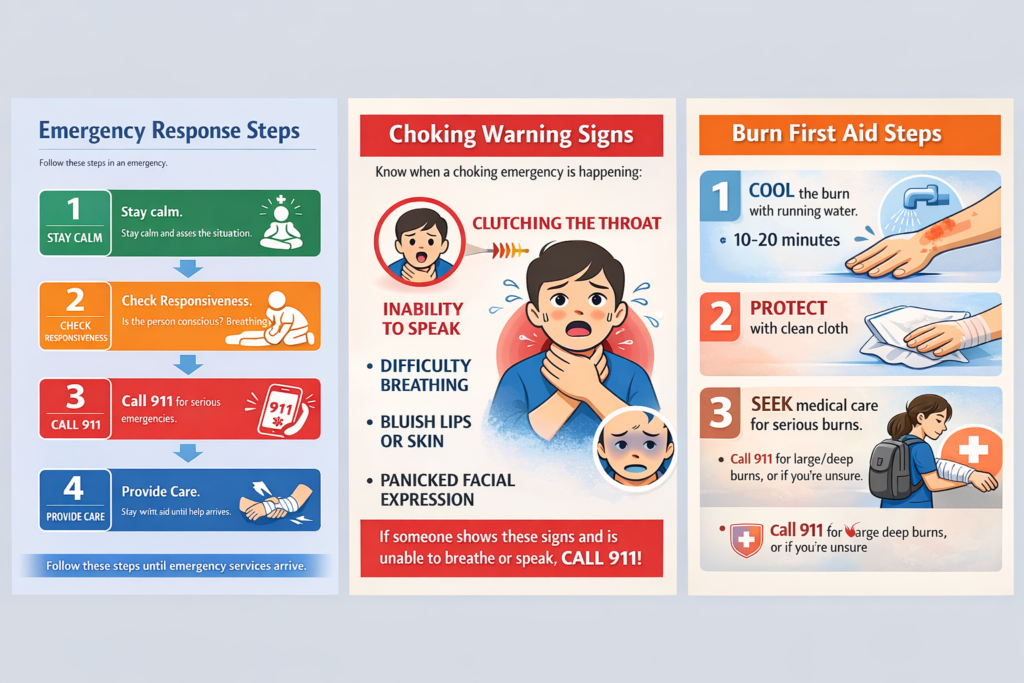
Figure 1. Emergency Response Flow. Simple steps can guide initial actions during an emergency.
When to Call 911
Emergency services should be contacted immediately if someone experiences:
- difficulty breathing
- severe chest pain
- uncontrolled bleeding
- loss of consciousness
- a seizure lasting longer than several minutes
If you are uncertain whether a situation is serious, it is safer to seek professional help.
Prompt medical attention can prevent complications and improve outcomes.
Learn More from Trusted Organizations
Students interested in learning more about emergency response and first aid can explore educational resources from trusted health organizations, including:
- American Red Cross
- Centers for Disease Control and Prevention
- Mayo Clinic
- American Heart Association
These organizations offer first aid training courses, safety guidelines, and educational materials designed for students and community members.
Learning basic emergency response skills can increase confidence and preparedness in everyday life.
Think About It
Have you ever seen someone get injured during sports or school activities?
First aid knowledge does not require advanced medical training. However, understanding basic first aid helps people respond calmly and support others during emergencies.
Learning these skills is an important step toward becoming a responsible and prepared member of your community.